Living in Winchester MA: A Guide to Neighborhoods & Parks
Thinking about trading your Cambridge or Somerville walk-up for more space and fresh air without giving up an easy commute? Winchester gives you tree-lined streets, a compact village center, and quick rail access to Boston. In this guide, you’ll learn how the town is organized, where to find parks and trails, what dining and culture look like, and what to expect from the housing market. Let’s dive in.
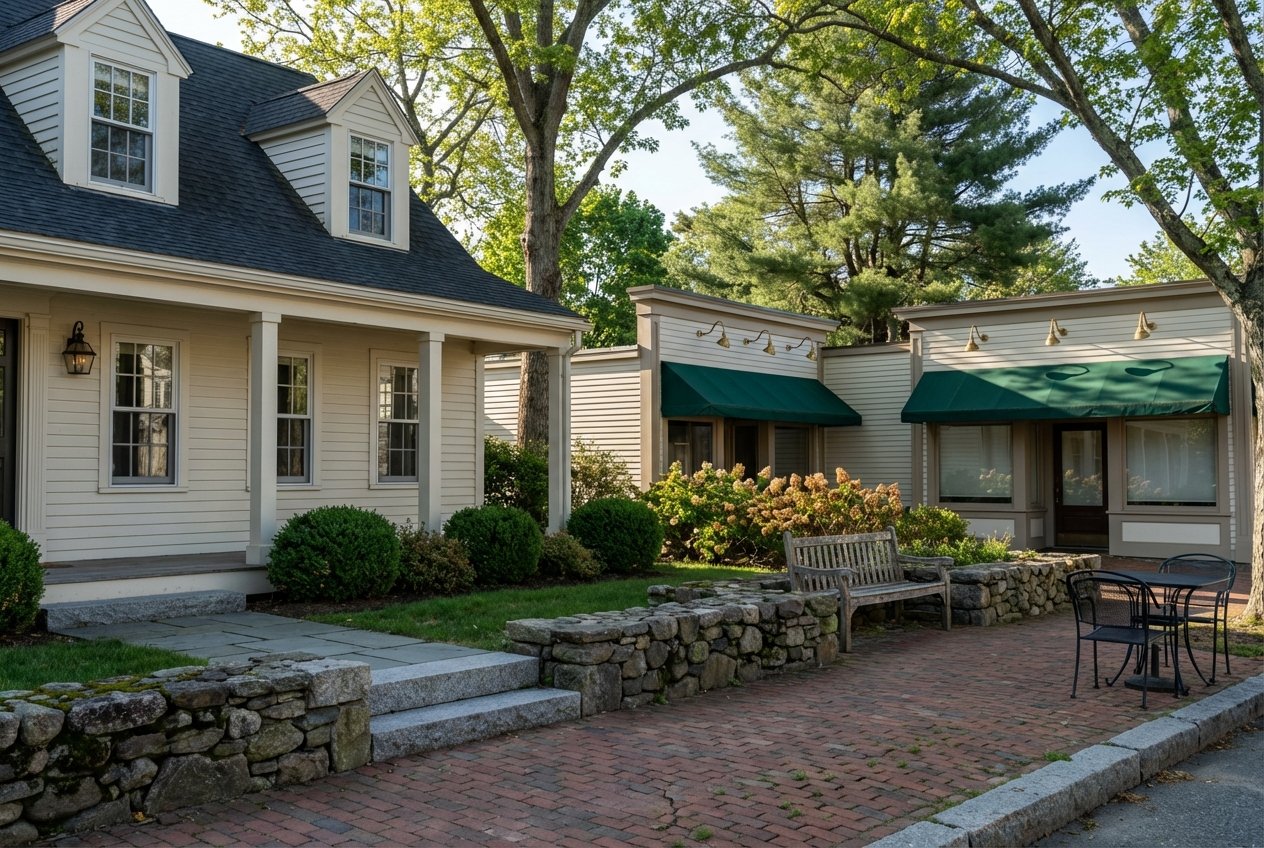
Winchester is a close-in, leafy suburb just northwest of Boston with an established village center and several distinct neighborhoods. Town planning emphasizes a pedestrian-friendly core and thoughtful growth near the rail station, which keeps the center active and convenient for daily errands and dining. You can get a feel for the town’s “village to town” identity in its planning materials. Learn more in the town’s overview of neighborhoods and history at the Village to Town page. (Town of Winchester)
From a quick-facts standpoint, Winchester had about 22,970 residents in 2020 and an estimated 23,953 in 2024. Owner-occupied housing is common, at roughly 81.7 percent. Educational attainment is high, with about 79.5 percent of adults holding a bachelor’s degree or more. The ACS 2020–2024 median household income is around $230,198, and the median owner-occupied home value is about $1,215,200. Commute times average 31.4 minutes, reflecting a mix of rail and driving. These figures come from the U.S. Census QuickFacts profile. (Census QuickFacts)
This is the town’s main village core around the Town Common, Waterfield Road, and the commuter-rail trestle. You’ll find compact retail, restaurants, cafes, galleries, and services in a walkable footprint. The town’s Center Business District zoning encourages ground-floor shops and dining with housing above, which supports an active day-to-night environment. If walk-to-coffee and dinner matter to you, focus your search within a few blocks of the center. Read the CBD use framework in the town’s zoning code. (Center Business District zoning)
Wedgemere anchors Winchester’s second commuter-rail stop and connects to Wedge Pond, town fields, and nearby trails. The area reads as a quiet, pond-adjacent residential pocket with convenient access to outdoor recreation. If you value easy trail access and a calmer residential feel, this part of town is a good match.
These historically recognized neighborhoods reflect different street patterns, housing eras, and lot sizes. You’ll see Victorian and early 20th-century homes in some areas and later subdivisions elsewhere. These micro-areas can shape your daily rhythm, from walkability to the center to yard size and driveway access. The town’s neighborhood and master-planning materials outline these character areas. (Village to Town)
The Middlesex Fells Reservation sits just north of town and is one of Greater Boston’s largest open spaces at about 2,575 acres with more than 100 miles of trails. You can hike, run, or mountain bike, and you’ll find boating on Spot Pond in season. Several trailheads are reachable from Winchester neighborhoods, which makes a pre-dinner loop or weekend long hike an easy habit. Explore maps and activities on the state’s page. (Middlesex Fells Reservation)
Inside town, the Town Common, Wedge Pond, and the Mystic Lake and Aberjona corridor offer lawns, paths, and recreation facilities for everyday use. Tennis courts, fields, and picnic areas are part of the regular routine for many residents. If you are moving from a condo with no yard, the blend of private yards and nearby public green space is a noticeable lifestyle upgrade.
For a low-key Saturday, start at the seasonal Winchester Farmers Market on the Town Common, then take a short walk along the Aberjona and head toward a Fells trailhead for an afternoon hike. It is a simple way to plug into the town’s center and get time outdoors. Check dates and vendor lists on the market site. (Winchester Farmers Market)
Winchester has two MBTA commuter-rail stations on the Lowell Line, with trains to North Station in Boston. The renovated Winchester Center station brings accessible boarding right to downtown, and Wedgemere adds a second option on the south side of town. Door-to-door times vary by address and train type, but the ride portion can be in the single digits to low teens in minutes for many trains. The ACS mean commute of about 31.4 minutes captures the full door-to-door picture for most households.
Some residents drive to Alewife or Davis Square to connect with the Red Line, especially when they need higher-frequency subway service to Kendall or Harvard. Others use larger park-and-ride stations in the region when local station parking is tight. If you plan to ride the commuter rail daily, look into station parking rules and resident permits during your home search so your routine works on day one.
Winchester Center’s dining scene is village-scale and welcoming. You will find taverns, Italian kitchens, casual diners, cafes, and bakeries within a short walk. Many spots are well established, which adds to the comfortable, local feel for weeknight dinners and weekend brunch.
For the arts, the Griffin Museum of Photography anchors a thoughtful calendar of exhibits and events. The Winchester Community Music School also programs performances and lessons throughout the year, adding variety to your evenings close to home. Learn more about the museum’s mission and programs here. (Griffin Museum of Photography)
Families appreciate the predictability and programs of Winchester Public Schools, which include multiple elementary schools, McCall Middle School, and Winchester High School. For current school information, boundaries, and resources, go to the district website. (Winchester Public Schools)
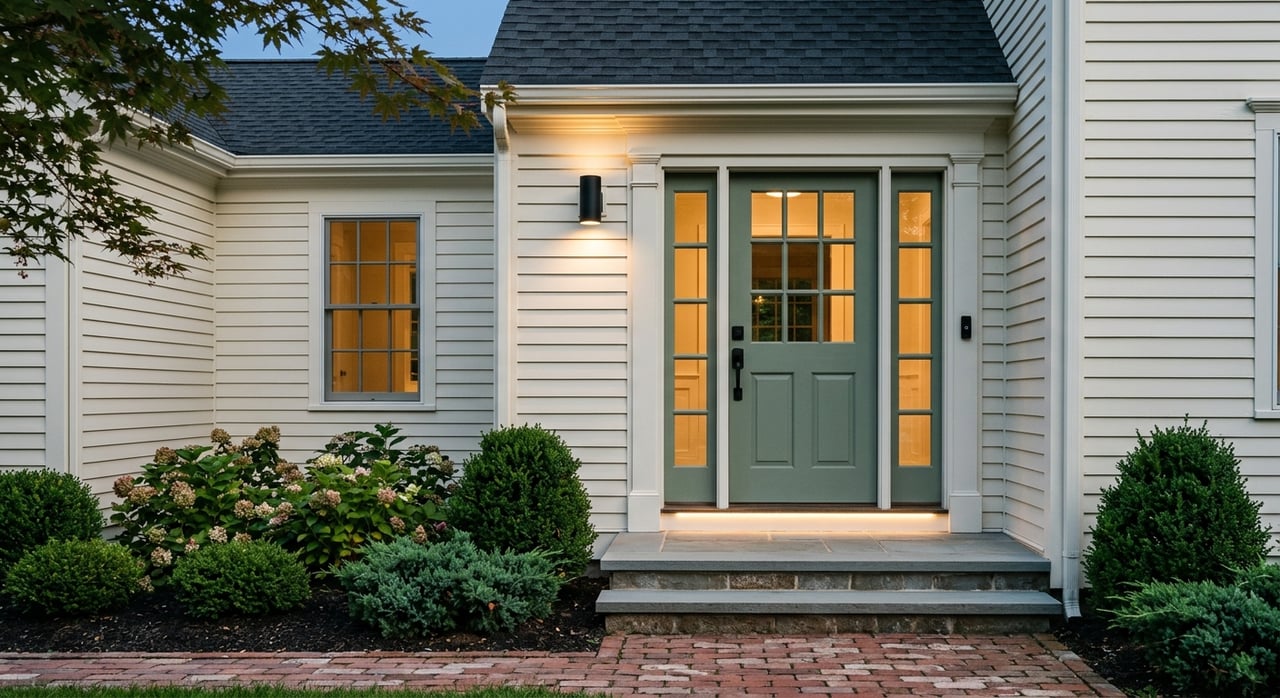
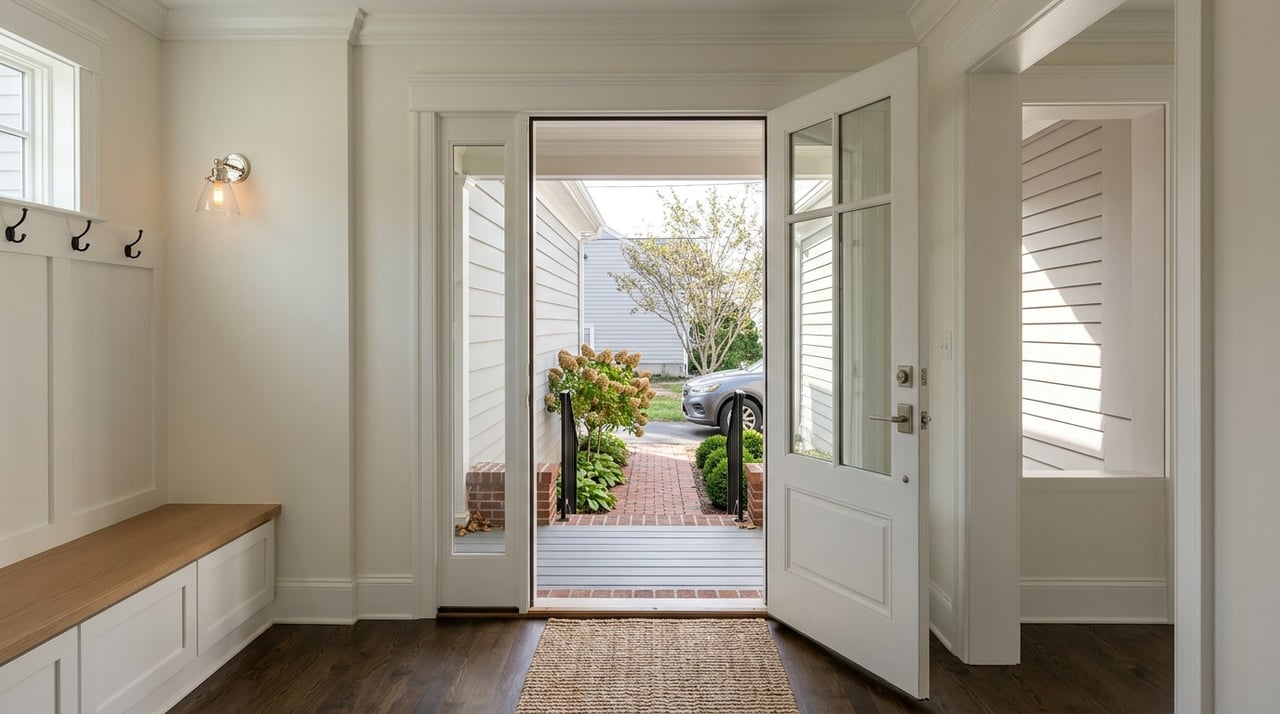
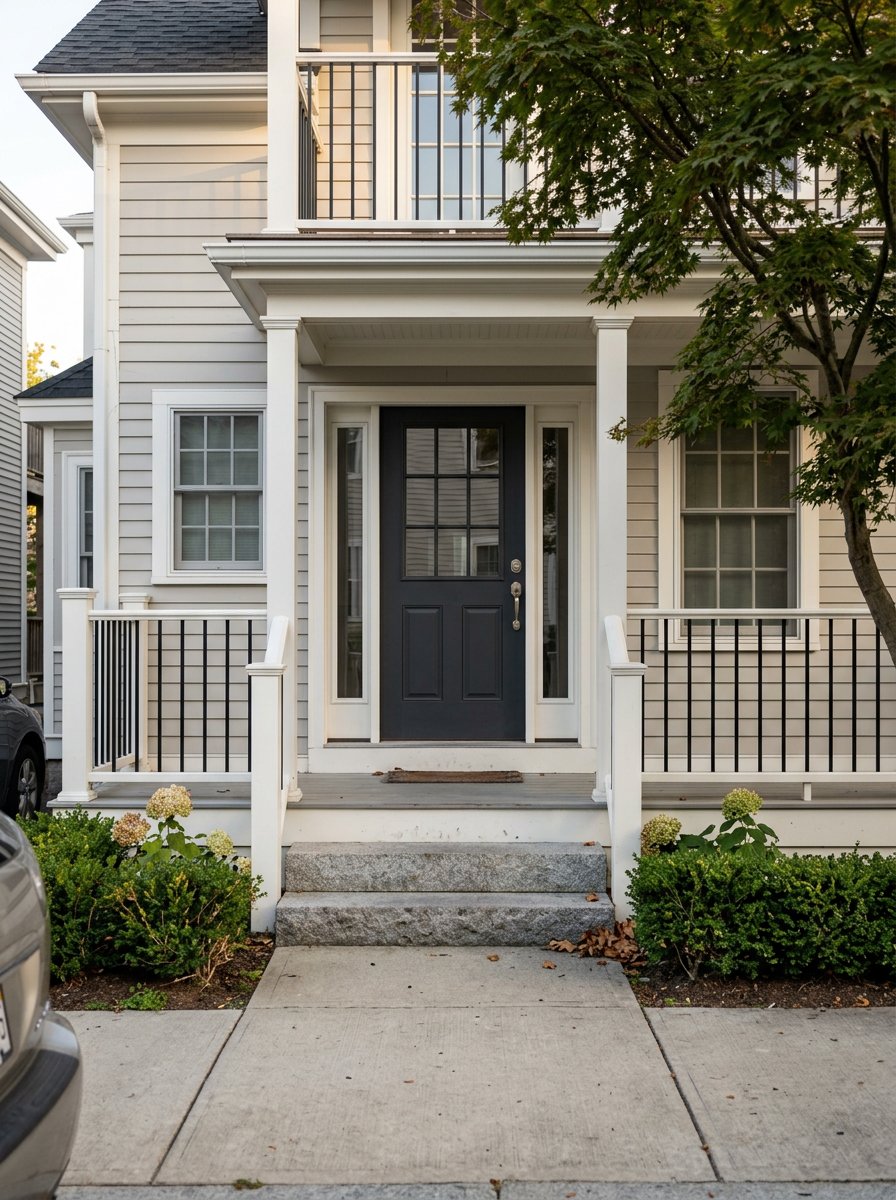
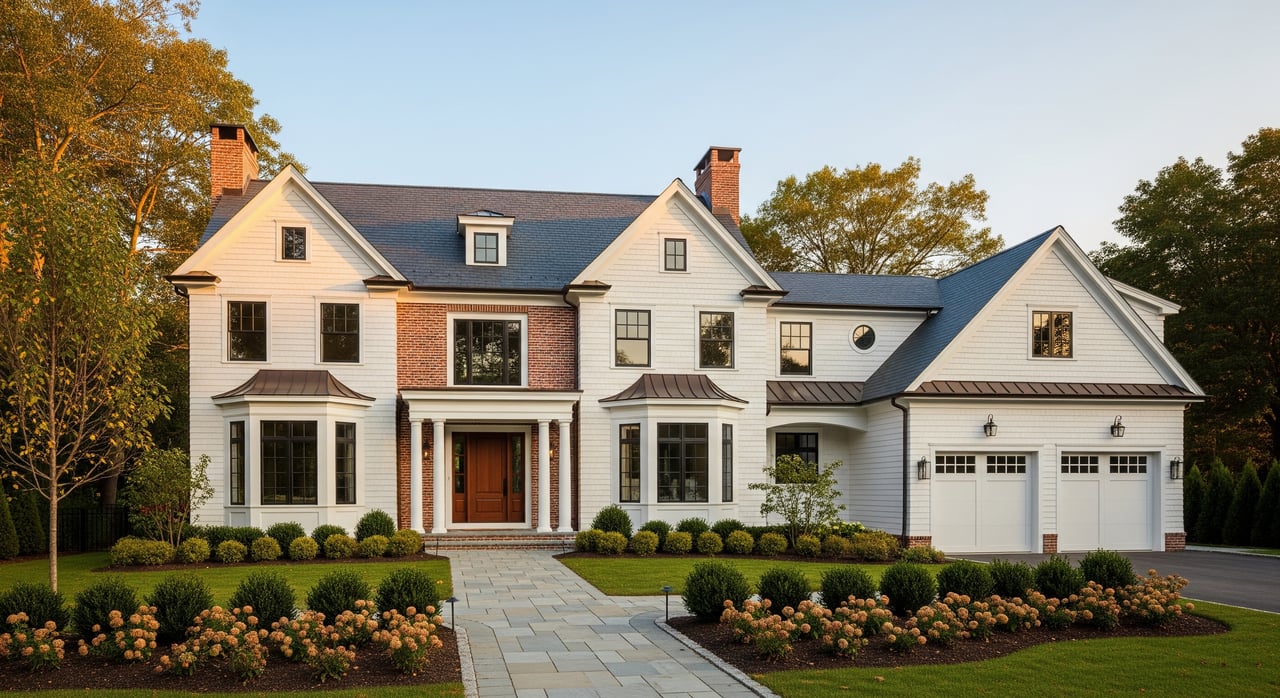
Single-family homes are the dominant housing type, with a range of Victorian, Colonial, and early 20th-century styles on tree-lined streets. Near the center, you will also see smaller multi-family buildings and some condo conversions for buyers who prefer lower-maintenance living. Town planning documents describe this mix and the goal of managing downtown housing density to support a lively center. You can review the neighborhood context and planning approach here. (Village to Town)
For pricing, use two lenses. The ACS 2020–2024 median owner-occupied home value is about $1,215,200, which provides a reliable multi-year baseline. Real-time market snapshots across 2024 and 2025 often show values in the 1.4 to 1.6 million range, reflecting live list and sale activity. For an up-to-the-minute read on comps and offer strategy, your best move is to lean on current local data and a tailored market plan.
If you are following the town’s conversation about growth and affordability, Winchester’s Housing Production Plan outlines goals, zoning context, and subsidized housing inventory. It is a helpful primer if you want to understand how development near the center may evolve. Read the plan on the town website. (Housing Production Plan)
If you are moving from Cambridge or Somerville and want a greener lifestyle without losing your commute, we can help you compare neighborhoods, plan your transit routine, and price your next move with clarity. Reach out to the family team at GV Realty Services for local guidance, a tailored search, and our full-service approach to buying or selling.
Our job is to provide the most up-to-date local market stats, arrive at a price, and using cutting-edge as well as traditional marketing efforts, provide an exceptional customer service to every single client.
Get In Touch With Our Team To Learn More
GV Realty Services
1000 Massachusetts Ave Ste 134 Cambridge MA 02138