Torn between a Cambridge condo and a single-family home? You are not alone. Both offer strong value, but they behave differently on price, resale, and day-to-day costs. In this guide, you will learn how medians, price per square foot, days on market, and inventory shape your options citywide and in Mid-Cambridge, Cambridgeport, and North Cambridge. Let’s dive in.
Citywide price and value snapshot
We look at a rolling 12-month window of MLS-reported closed sales for the cleanest read on price and velocity. That window balances seasonality and filters out one-off spikes. While exact numbers change month to month, the patterns are consistent.
Median price: what the gap means
In Cambridge, single-family medians usually run higher than condo medians. You pay for land, privacy, and more square footage. The size of the gap tells you how much more budget it takes to step up from a condo to a detached home. If you are deciding between the two, compare the median for your target neighborhood and add likely ongoing costs to see the true monthly difference.
Price per square foot: how to use it
Condos often show a higher price per square foot than single-family homes. Smaller, centrally located units with newer finishes tend to push $/sqft up. Single-family homes can show lower $/sqft but a higher total price because they are larger and sit on land. Use $/sqft to compare finish level and location, but keep layout and outdoor space in the conversation.
Days on market: how fast homes move
Days on market (DOM) measures how long a listing takes to sell. Short DOM suggests strong demand and tighter negotiation room. Compare DOM across property types and neighborhoods to set expectations. If a segment’s median DOM is compressing, be ready with financing and clear offer terms.
Inventory and months of inventory
Months of inventory divides current active listings by the average monthly sales pace. Less than 3 months signals a seller’s market. Six or more months signals a buyer’s market. In Cambridge, inventory varies by season and by property type. Watch this metric to guide your negotiating posture and timing.
Neighborhood insights: where value shows up
Neighborhood dynamics matter as much as property type. Here is how today’s trade-offs usually play out in three Cambridge areas.
Mid-Cambridge: convenience and turnover
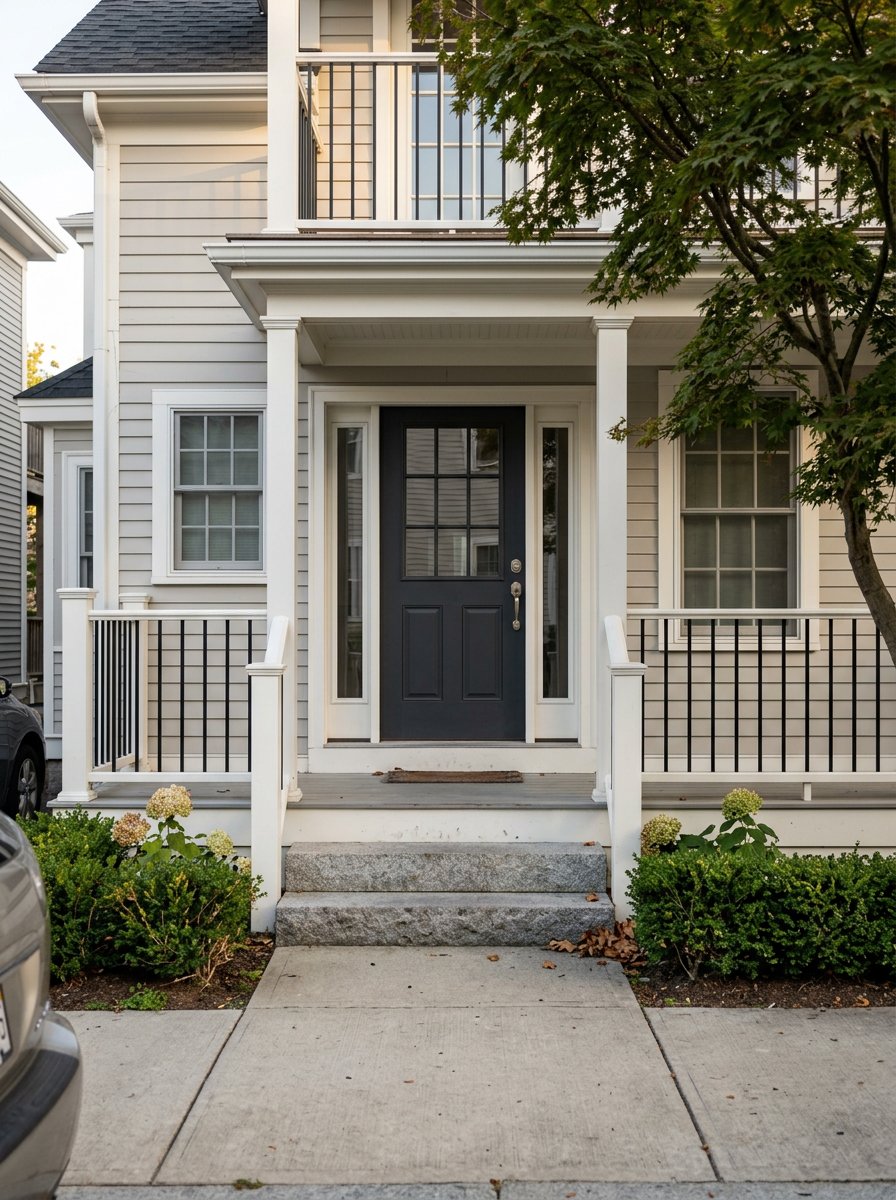
- Character: A mix of historic homes, brick rowhouses, and many condominiums near Harvard Square and Porter Square.
- What to expect: Condos typically see more transactions and steadier turnover; single-family sales are less frequent and can look volatile because of small sample sizes.
- Demand drivers: Proximity to Harvard, walkable retail and dining, and easy transit access.
- Practical tip: If you want low maintenance and walkability, focus on building health, reserves, and owner-occupancy in your short list.
Cambridgeport: river, MIT, and resale
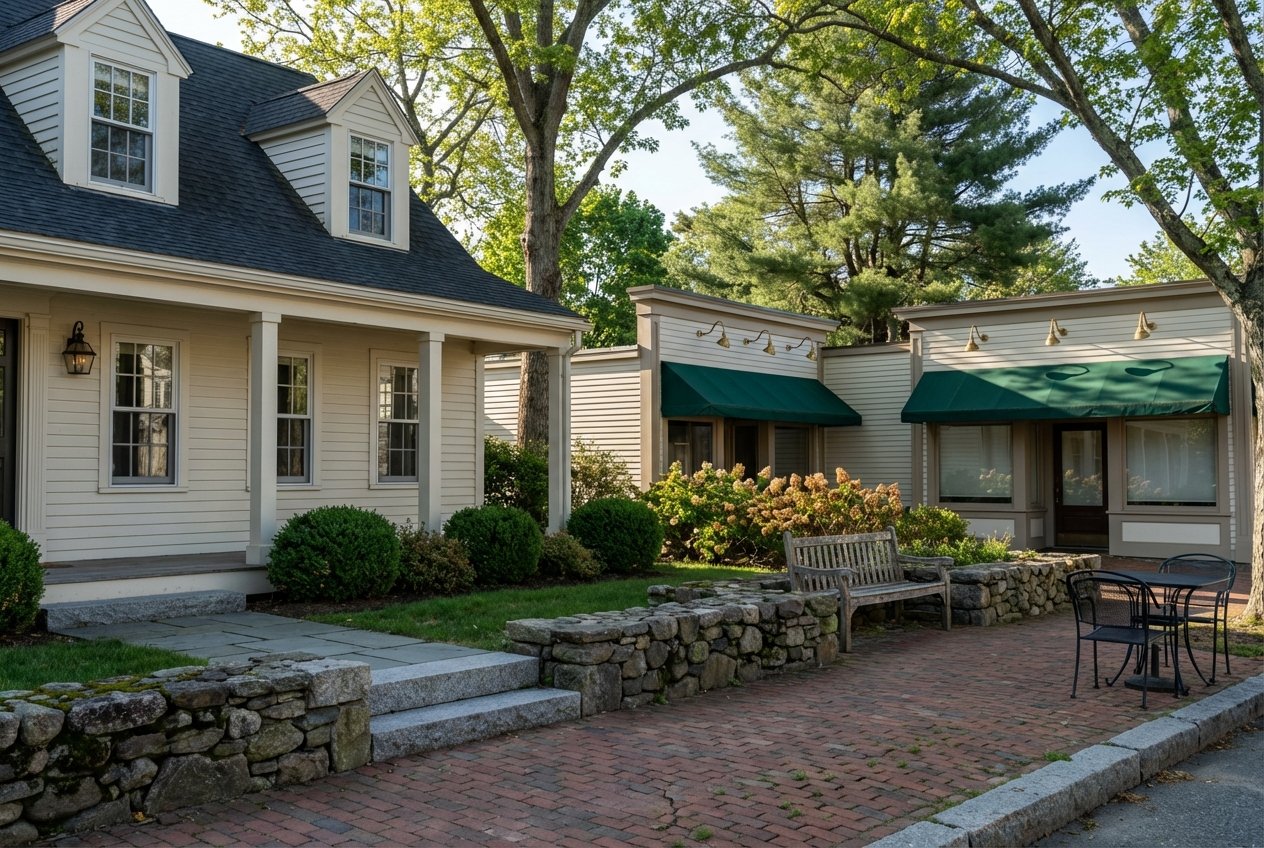
- Character: Near MIT, Kendall Square, and the Charles River, with rowhouses, townhouses, and mid-rise condos.
- What to expect: Condos close to the river or Kendall/MIT often command a premium. Single-family homes are a smaller share of inventory and can hold value due to scarcity.
- Demand drivers: River access, green space like Magazine Beach, and proximity to employment centers.
- Practical tip: Compare interior blocks to river-adjacent listings to understand the premium per square foot for location.
North Cambridge: space and relative value
- Character: Larger, varied area that includes pockets near Alewife and Route 2, with more diverse housing stock.
- What to expect: Buyers often find more space per dollar here, but pricing can vary by block and proximity to Alewife.
- Demand drivers: Transit access and commuter routes appeal to budget-minded buyers seeking more square footage.
- Practical tip: If you need more bedrooms or a small yard, expand your search radius here and watch how DOM differs from central neighborhoods.
Budget and trade-offs you should plan for
Set your budget around total cost, not just the purchase price. These are the key line items and choices to weigh.
Upfront vs ongoing costs
- Closing costs for buyers often run 2 to 3 percent of the purchase price.
- Property taxes vary by parcel; verify through the City Assessing office and cross-check parcel data on the City of Cambridge Open Data portal.
- Condos include monthly HOA fees that cover shared expenses and reserves; review recent budgets, reserve studies, and any planned assessments.
- For older single-family homes, plan a 5 to 10 percent reserve for near-term repairs or modernization unless the home is turnkey.
Space, layout, and outdoor trade-offs
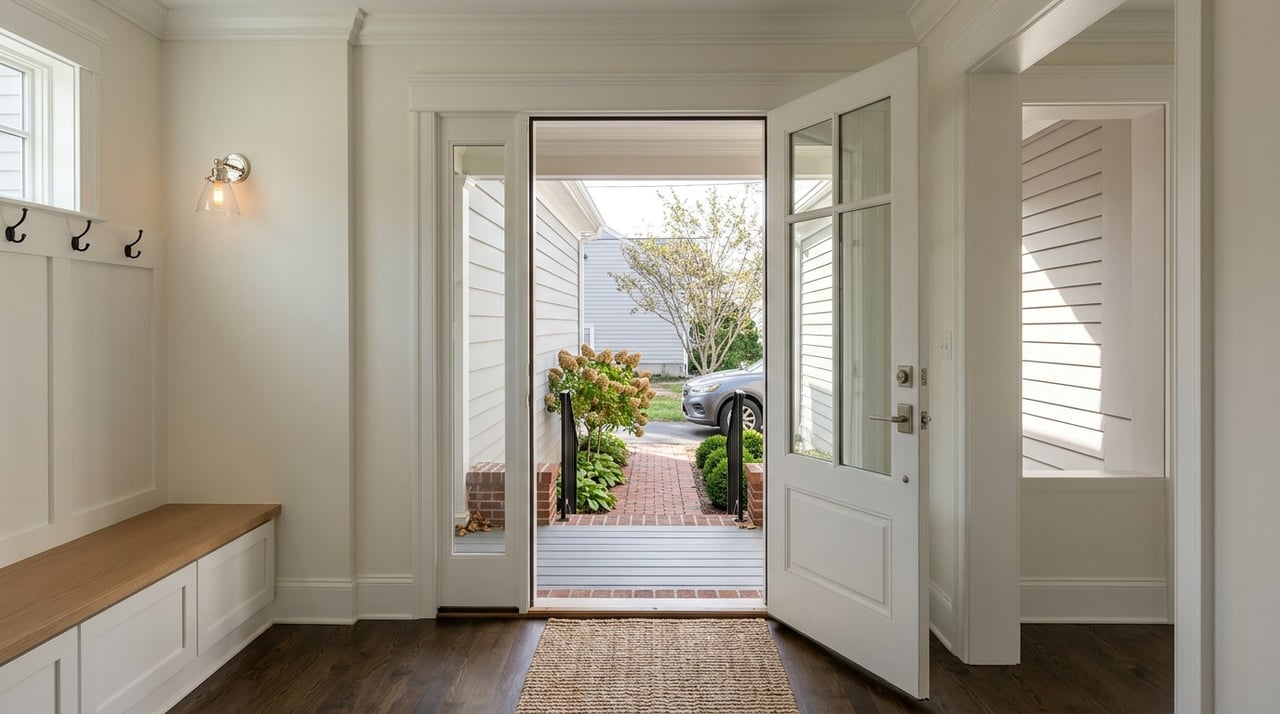
- Condos deliver lower maintenance and central locations, but exterior changes and common-area projects are governed by the association.
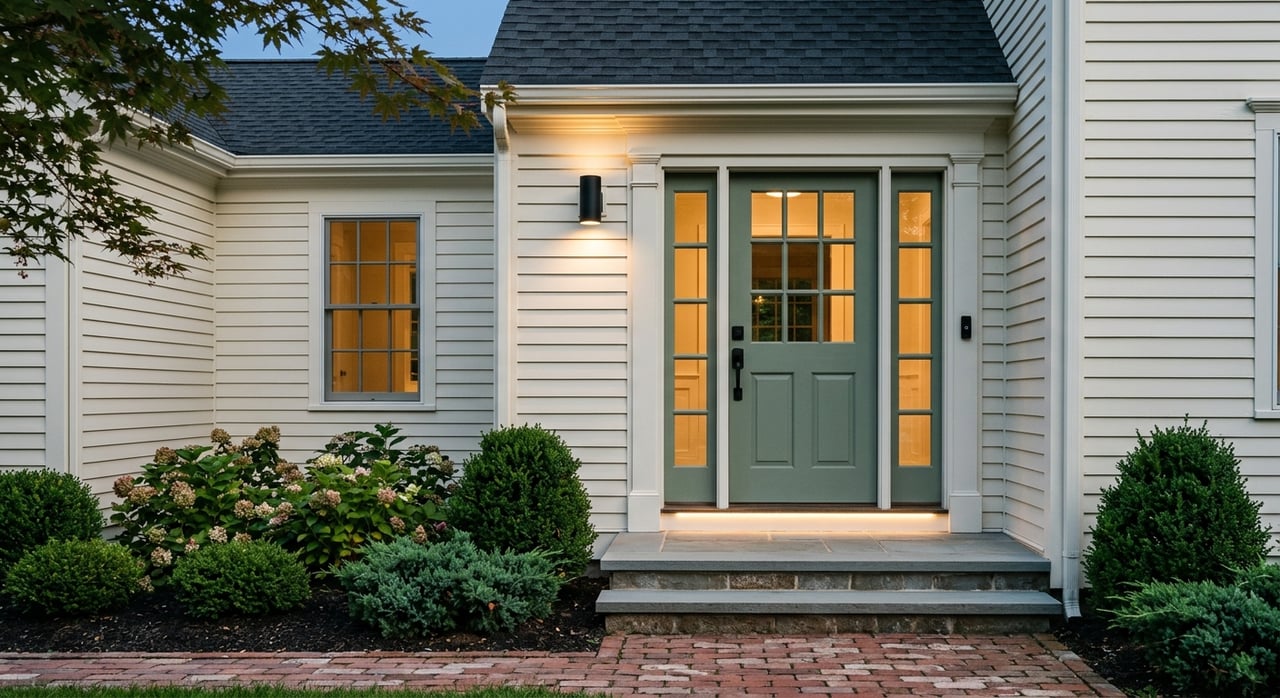
- Single-family homes provide privacy, potential for outdoor space, and flexibility for additions, but maintenance and cost variability are higher.
- Compare how efficiently each property’s layout meets your needs. A well-laid-out condo can live larger than its square footage.
Financing, inspections, and insurance
- Lenders review condo building health, including reserves and owner-occupancy levels. Ask for the condo questionnaire early in due diligence.
- Condo insurance typically covers the interior unit plus an association master policy; confirm coverage boundaries.
- For single-family homes, budget for full systems inspections and potential capital items like roofs, heating, and electrical.
Timing your search in Cambridge
Listings tend to cluster in spring and early fall, with quieter holiday periods. Low inventory environments favor clean, flexible offers and quick decision-making. When inventory builds, you gain leverage on price, repairs, and contingencies. Track months of inventory and DOM by your exact segment, not just citywide headlines.
How we calculate these metrics
- Time window: We analyze the most recent 12 months of MLS-reported closed sales in Cambridge, MA to smooth out seasonality.
- Property types: “Condo/Coop” for condominiums and “Single Family” for detached homes per MLS classification.
- Price per square foot: Calculated as the median of each listing’s sale price divided by its finished living area to reduce skew from very large homes.
- Sample sizes: Neighborhood medians with fewer than 10 sales are less stable. Treat them as directional and confirm with comps.
- Data checks: We cross-reference parcel details with the Cambridge Assessing Department and watch for outliers or missing square footage.
- Boundaries: Neighborhood assignments follow MLS fields or mapped polygons. Zip codes do not cleanly map to Cambridge neighborhoods.
What this means for you
- If you value walkability and minimal maintenance, a condo near transit can maximize convenience, but expect a higher $/sqft and HOA oversight.
- If you want privacy, a yard, and flexibility to change your space, a single-family home is worth the premium, with higher and more variable ongoing costs.
- For the best negotiation position, track DOM and months of inventory for your exact segment. Low medians suggest faster offers and tighter terms; rising inventory opens room to negotiate.
- Proximity to Harvard, MIT, Kendall Square, and transit often carries a price premium. Use the MBTA maps to weigh commute-time differences.
Ready for on-demand comps and strategy?
Every buyer and seller decision is local to the block, building, and timing. If you want current medians, price per square foot, DOM, and months of inventory for your exact segment in Mid-Cambridge, Cambridgeport, or North Cambridge, we will pull a fresh 12-month MLS report and walk you through the trade-offs. Reach out to GV Realty Services for a tailored data pack and next-step strategy.
FAQs
How much more does a Cambridge single-family cost than a condo?
- In Cambridge, single-family homes typically have a higher median price than condos due to land value and larger size. The exact gap varies by neighborhood and month. Ask for a fresh MLS comparison for your target area.
Are condos selling faster than single-family homes in Cambridge?
- Condos often show higher turnover and can sell as fast or faster than single-family homes, depending on the building, location, and price point. Compare median days on market for your specific segment before setting offer strategy.
Which Cambridge neighborhoods offer the best value per square foot?
- North Cambridge often provides more space per dollar, while Mid-Cambridge and Cambridgeport can command higher $/sqft for proximity to Harvard, MIT, and the Charles River. Always verify with recent sales on your block.
What is months of inventory and why does it matter in Cambridge?
- Months of inventory divides active listings by the recent sales pace. Under 3 months usually signals a seller’s market; 6 or more months favors buyers. It guides pricing, contingencies, and how quickly you need to move.
What should a first-time condo buyer budget beyond the price?
- Plan for 2 to 3 percent in buyer closing costs, monthly HOA dues, condo insurance, and potential special assessments. Review building reserves and owner-occupancy, and confirm any rental or renovation restrictions.
How do I confirm property details like lot size or year built?