Thinking about adding an EV charger at home in Medford but not sure where to start? You are not alone. Many local homes are older, panels can be tight on capacity, and parking layouts vary from driveways to detached garages. In this guide, you will learn what works in Greater Boston homes, what it costs, how long it takes, and how to handle permits and condo approvals. Let’s dive in.
Why add home EV charging
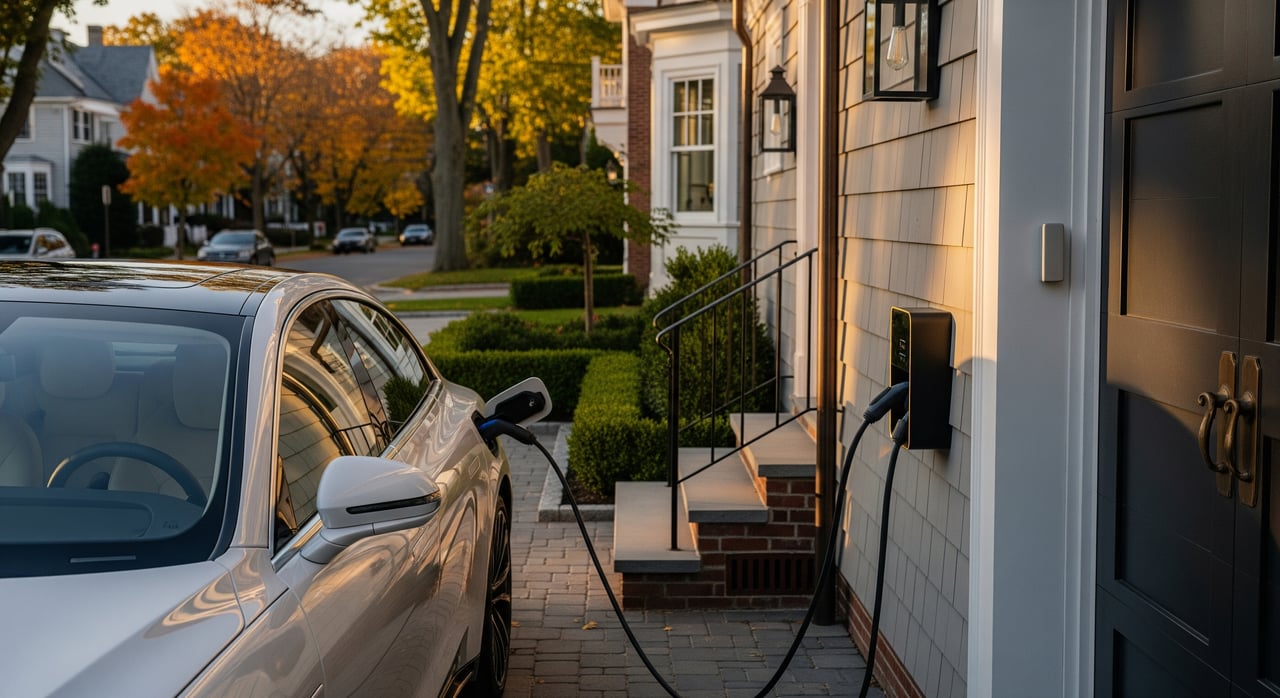
Home charging gives you predictable costs, overnight convenience, and less time hunting for public stations. For daily commuters in Middlesex County, Level 2 charging often covers a full day’s driving with one evening plug-in. If you plan to sell, EV-ready features can also help your home stand out to today’s buyers.
Level 1 vs. Level 2
Level 1, 120V standard outlet
- Speed: about 3 to 5 miles of range per hour.
- Best for: low-mileage drivers or short daily trips.
- Cost: often minimal if a dedicated outlet already exists.
Level 2, 240V dedicated circuit
- Speed: about 20 to 30-plus miles of range per hour, depending on your vehicle and charger.
- Best for: daily commuting, multi-car households, faster top-ups.
- Cost: higher due to a dedicated circuit, possible panel work, and permits.
What installation looks like in Medford
Pre-planning
- Assess where you park: attached garage, detached garage, driveway, or shared lot.
- Decide Level 1 vs Level 2 based on your daily miles and parking setup.
- Have a licensed electrician do a load calculation on your panel to confirm capacity.
- If you live in a condo or multi-unit building, contact your HOA or board early to review rules and locations.
Quotes and selection
- Get 2 to 3 written quotes from electricians experienced with EV chargers.
- Ask for details: EVSE model, amperage, wire run length, breaker size, whether hardwired or plug-in, permit fees, and schedule.
Permits and utility steps
- Pull required electrical permits through the City of Medford Building Division.
- Notify your utility if a service upgrade or meter change is needed. Eversource serves most of Medford and may require an application for upgrades.
Installation and inspection
- Typical install time is 4 to 16 hours for straightforward work.
- Complex jobs like panel upgrades or trenching can take longer.
- A municipal electrical inspection is required before regular use.
Realistic costs in Greater Boston
Level 1
- Use existing outlet: about 0 to 200 dollars.
- Add a dedicated 120V circuit: about 150 to 500 dollars.
Level 2
- Charger hardware: about 300 to 1,200-plus dollars.
- Standard install with nearby panel and capacity: about 500 to 2,000 dollars.
- Typical total for straightforward installs: about 800 to 3,000 dollars.
- Panel or main service upgrade if needed: add about 1,500 to 4,000-plus dollars.
- Complex layouts, trenching, or detached garages: about 2,500 to 7,000-plus dollars.
What drives cost
- Distance from panel to charger location.
- Panel capacity and need for a subpanel or upgrade.
- Trenching or running conduit to a detached garage.
- Permit and inspection fees, and utility work for service upgrades.
- Charger features like Wi-Fi, load management, and warranty.
How to save
- Choose the shortest safe wire route.
- Use a smart charger with load management to avoid a full panel upgrade.
- Ask about current incentives or managed charging programs from your utility or state agencies. Programs change often, so check the latest before you buy.
Medford housing considerations
- Older panels: Many homes have 100A service and limited breaker space. A load calculation is essential.
- Detached garages: These often require longer wire runs and sometimes trenching or a garage subpanel.
- On-street or unassigned parking: These are the most complex scenarios. Work with your HOA or municipality for shared or curbside options where available.
- Historic exteriors: Plan careful drilling and finishing for masonry, and check for any historic or HOA approvals.
Permits, utilities, and inspections
- Permits: Expect electrical permits for new 120V or 240V circuits and for panel or service upgrades.
- Utility notification: If you need a service upgrade, coordinate with Eversource for applications and scheduling.
- Inspection: A municipal electrical inspection is required for final approval.
Condos, HOAs, and multi-unit tips
Common HOA issues
- Aesthetics: Conduit placement and visible hardware rules.
- Access: Use of common electrical rooms or conduit.
- Cost allocation: Who pays for common upgrades and what happens at resale.
- Metering: Submeters vs networked chargers that bill users directly.
- Insurance: Proof of licensing and coverage from your contractor.
Best practices
- Start early and submit a clear plan with contractor quotes.
- Put approvals in writing, including who pays for what, maintenance, and removal at sale.
- Consider smart chargers with user billing to simplify cost allocation.
- Ask your board to adopt a standard EV policy for consistent treatment.
Choosing the right electrician
What to ask for
- License and insurance verification.
- A load calculation for your panel and any upgrade recommendation.
- A detailed written quote: EVSE model, amperage, wiring route and length, breaker size, subpanel or upgrade needs, trenching or surface repair, permit and inspection handling, timeline, and warranties.
- Photo examples of recent local EV installs.
Red flags
- No permits or inspections offered.
- Vague scope or missing license information.
- No EV experience or references.
Planning checklists
Sellers: make your home EV-ready
- Confirm if you have a dedicated 240V outlet or a Level 2 charger installed.
- If panel capacity allows, consider adding Level 2 to stand out in the market.
- Keep permits, inspection approvals, and receipts in a tidy packet for buyers.
- Create a one-page summary with charger make, breaker size, panel updates, and estimated charge speeds.
Buyers: map upgrades before closing
- Order a panel assessment and load calculation during your inspection period if possible.
- Budget for potential panel upgrades or trenching, especially with detached garages.
- For condos, meet with the board early and get written approval for your plan.
- Ask the utility about any current residential EV programs or managed charging options.
Is home EV charging a selling point?
Yes, it can be. Buyers value convenience and lower operating costs. A documented, permitted Level 2 installation often feels move-in ready and signals thoughtful home care. Keep your paperwork, label your breaker, and note expected charge speeds so buyers know what they are getting.
Ready to talk strategy for your Medford home or next purchase? We can help you weigh EV-ready upgrades, build a cost-aware plan, and position your property to stand out. Reach out to the team at GV Realty Services to get started.
FAQs
How fast is Level 1 vs Level 2 charging at home?
- Level 1 adds about 3 to 5 miles of range per hour. Level 2 adds about 20 to 30-plus miles per hour, depending on your vehicle and charger.
What does a typical Medford Level 2 install cost?
- Straightforward installs often total about 800 to 3,000 dollars, while panel upgrades or long runs can push the cost to 2,500 to 7,000-plus dollars.
Do I need a permit in Medford for an EV charger?
- Yes, electrical permits are typically required for new 120V or 240V circuits and any panel or service upgrades. A municipal inspection is also required.
Will I need a panel upgrade for a Level 2 charger?
- Not always. Many homes have capacity for a 30A to 40A circuit, but older panels may not. A load calculation will confirm if you need a subpanel, load management, or a service upgrade.
Can I install EV charging in a condo or multi-unit building?
- Often yes, with HOA approval. Expect rules on conduit routes, cost allocation, and metering. Start early and submit a clear plan with quotes and insurance details.
Do incentives reduce the cost of home charging in Massachusetts?
- They can. Federal tax credits and utility or state programs change often. Check current options before you buy and keep documentation for your records.