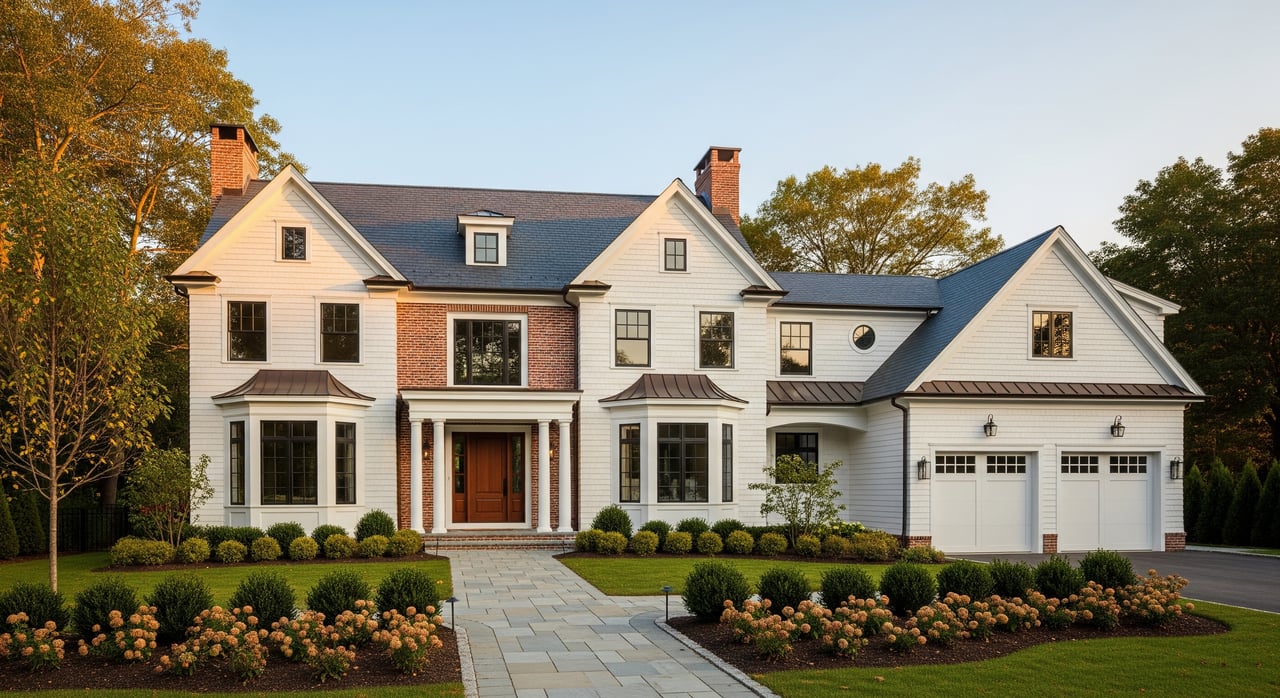
Essential Guide to New Construction in Winchester MA
Thinking about buying a brand‑new home in Winchester? New construction can be exciting, but it follows a different playbook than a typical resale. Permits, inspections, selections, and timelines all move on a builder’s schedule, and the fine print matters. In this guide, you’ll learn how the Winchester process works, what timeline to expect, how to vet a builder, and the right checkpoints to protect your investment. Let’s dive in.
In Winchester, the Town’s Building Department oversees permits and staged inspections. Typical checkpoints include site work, foundation, framing, rough mechanicals, insulation and energy compliance, and final inspections that lead to a Certificate of Occupancy. You generally need a Certificate of Occupancy, or a temporary occupancy permit if allowed, before moving in. Ask your builder for the permit schedule and confirm it with the town so you know what milestones drive your closing date.
New England weather can slow exterior work, especially in winter. Established Winchester neighborhoods often have tight lots, tree preservation requirements, and curb or driveway limits that affect staging and access. Utility connections and driveway permits are municipal matters that can add time or cost. Larger projects can also trigger zoning or neighbor reviews, which may extend approvals.
A small single‑family home commonly takes 6 to 12 months from permit issuance to completion. Larger custom builds and subdivisions often run 9 to 18 months or more. Condos or multi‑unit buildings can take longer. The actual schedule depends on design complexity, permitting, weather, labor availability, and material lead times.
Ask to see recent local projects and speak with at least three references who closed 6 to 24 months ago. Confirm general liability and workers’ compensation coverage, and that licensed trades will perform regulated work. Check permit records, property records, and any complaint history through state and local channels. For financial stability, ask how deposits are handled, whether funds are escrowed, and what insurance or bonding covers the project.
Get a complete written contract that includes detailed specifications and realistic allowances. Clarify the payment schedule, where deposits are held, and under what conditions funds are refundable. Define the change‑order process, pricing, and the effect on timelines, and include milestones with reasonable delivery allowances. Require lien waivers at each draw and a final lien release at closing, and confirm warranty scope, start date, and claim process.
Massachusetts consumer‑protection laws can apply to unfair or deceptive practices related to home construction and contracts. Certain trades are licensed at the state level, so verify credentials for plumbers, electricians, and gas fitters. A local real‑estate attorney can help you negotiate builder‑favored clauses and ensure your contingencies and remedies are clear.
Most builders include dollar allowances for finishes like cabinets, appliances, and plumbing fixtures. If your selections exceed the allowance, you pay the difference, and if they are under, you typically receive a credit. Ask for brand and product level in writing and set selection deadlines to avoid surprises. Keep a running tally so your final price and loan amount stay aligned.
Require a written change‑order form that lists the exact change, full cost breakdown, any time impact, and signatures. Try to cap administrative fees for change orders initiated by the builder. Track all approved changes and make sure they are reflected in the contract price and payment schedule. Confirm who pays for delays if the builder’s vendor misses a delivery window.
Cabinets, counters, windows, and specialty items can have long lead times. Ask for a selections calendar in writing. Missing a selection date can delay completion, so schedule showroom visits early and confirm final choices in writing.
Upgrades can raise your final purchase price. Check whether your loan can finance upgrades or if you will need to pay out of pocket during construction. Coordinate with your lender on appraisal timing and rate locks so your financing matches the build schedule.
New homes still benefit from third‑party inspections. Consider checks at the foundation stage, framing before insulation and drywall, pre‑drywall mechanicals, and a final inspection before closing. If you prefer, add specialty inspections such as radon testing or roof and venting reviews.
At your pre‑closing walkthrough, document defects and incomplete items with photos and dates. Create a prioritized punch list and ask for a written completion plan. Discuss a reasonable holdback at closing so the builder has an incentive to finish outstanding items. Keep all commitments in writing and track progress after move‑in.
A common structure is one year for workmanship, two years for major systems, and ten years for structural coverage. Always get the warranty in writing, confirm whether it starts at Certificate of Occupancy or closing, and note how to submit claims. Ask if a third‑party structural warranty is included and whether it is transferable. Keep a maintenance and communication log to support any claims.
Minor settling and touch‑ups can occur in the first year. Collect all manuals, startup certificates, and energy‑compliance documents at closing. Ask whether the builder offers a 30‑ or 60‑day post‑occupancy walkthrough to address small items.
Pros include more customization, early‑buyer pricing, and extra time to plan your move. Cons include a longer wait, schedule and permit risks, and possible appraisal challenges if few comparable sales exist at the time of appraisal. To protect yourself, require a detailed features list, realistic allowances, and clear refund or escrow terms if permits are denied or the builder defaults. Confirm how rate locks and appraisal timing will be handled if the market shifts during construction.
Pros include faster occupancy, visible finishes, and simpler financing with established comparable sales. Cons include less customization and possible premium pricing for immediate delivery. Still schedule a full independent inspection, confirm final approvals and the Certificate of Occupancy, and collect as‑built specs and warranties before you close.
Construction or construction‑to‑permanent loans require a lender‑approved builder and inspections for draw releases. Rate locks and appraisals must match the construction schedule. Finished homes typically use standard purchase financing, and some builders may offer incentives that you should evaluate against total cost and timeline flexibility.
If you want a clear plan for permits, timelines, inspections, and negotiations, you do not have to do it alone. Our team brings decades of Greater Boston experience and a hands‑on approach to help you buy with confidence in Winchester and across Middlesex County. Connect with GV Realty Services to talk through your goals and next steps.

Our job is to provide the most up-to-date local market stats, arrive at a price, and using cutting-edge as well as traditional marketing efforts, provide an exceptional customer service to every single client.
Get In Touch With Our Team To Learn More
GV Realty Services
1000 Massachusetts Ave Ste 134 Cambridge MA 02138