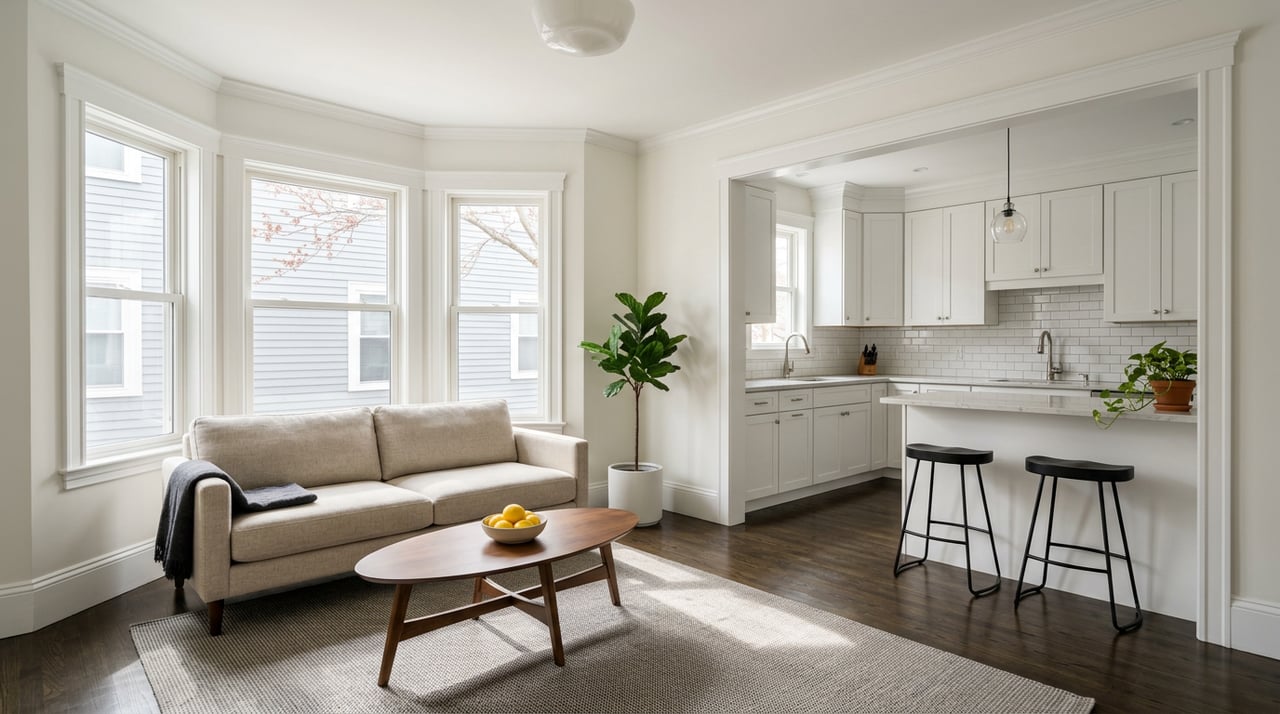
Somerville vs Cambridge Condos: Key Costs & Tradeoffs
Trying to choose between a Somerville condo and a Cambridge condo? You’re not alone. Both cities offer walkability, strong transit, and lively neighborhoods, but the tradeoffs around cost, building type, HOA fees, and commute can be meaningful. In this guide, you’ll get a clear, side‑by‑side look at price patterns, what you’ll see on tours, how the Green Line Extension changed the equation, and a practical checklist to shop with confidence. Let’s dive in.
Cambridge generally prices higher than Somerville at the city level, though there is plenty of overlap by neighborhood and building type. Central Cambridge areas close to Harvard, MIT, and Kendall often carry a premium. Somerville offers strong value and has narrowed a historic convenience gap thanks to the Green Line Extension.
Price bands vary by bedroom count and location. Use these as ballpark listing ranges based on late 2025 to early 2026 market snapshots. Always verify with a current MLS pull before you write an offer.
Price per square foot tends to run higher in Cambridge, especially in central neighborhoods, while Somerville often stretches your square footage further for a similar budget.
Your day‑to‑day experience and monthly budget often hinge on the building. Here’s what you’ll see most often in each city.
Somerville’s housing stock includes a large share of 2‑ to 4‑unit buildings, many built before 1940. That is why a big portion of Somerville condos are conversions in smaller associations. Data on local structure mix shows substantial concentrations in 2‑, 3‑, and 4‑unit buildings, with many pre‑war properties, which aligns with what buyers see on tours. See city‑level stock characteristics in regional data summaries like this ACS profile view.
What this means for you:
Cambridge mixes historic rowhouses and triple‑deckers with mid‑rise, professionally managed buildings and newer full‑service towers, especially in East Cambridge, Kendall/Lechmere, and central nodes. Neighborhoods closer to universities and major employment centers often offer newer construction and more amenities.
What this means for you:
Most condo/HOA fees include master insurance, common‑area maintenance, snow removal, landscaping, and reserves. Larger buildings add elevator and mechanical maintenance, management fees, and sometimes staff or concierge payroll. When utilities are centrally metered, heat, hot water, or water/sewer may be included in the fee.
Illustrative monthly fee patterns you’ll encounter:
Pro tip: Compare “total monthly cost,” not just the fee. A lower fee that excludes heat, hot water, or parking can cost more overall than a higher fee that includes them.
Both cities are highly walkable with strong transit. Your commute and weekend rhythm may still tilt the decision.
The Green Line Extension opened its Union Square branch on March 21, 2022 and the Medford branch on December 12, 2022, adding multiple new stations in Somerville and relocating Lechmere in East Cambridge. The GLX expanded rapid‑transit access in Union Square, Gilman Square, Magoun Square, Ball Square, and East Somerville. See details on the project’s Wikipedia page or the City of Somerville GLX page.
What it means: Homes within a short walk of GLX stops now compete more directly with Cambridge for commute convenience to downtown Boston and to Cambridge job centers.
Cambridge is anchored by Red Line stations at Alewife, Porter, Harvard, Central, and Kendall/MIT, plus dense bus coverage. If you work in Harvard Square or Kendall, Red Line proximity can reduce your daily travel friction. You can view station context on this Red Line overview.
Both cities score high for walkability, with many neighborhoods reaching Walk Scores in the 80–95 range. Explore area walk scores here: Cambridge neighborhood walkability. For lifestyle, Cambridge often feels more university and research‑driven during the day, while Somerville leans neighborhood‑focused with an active arts and food scene in places like Davis Square and Union Square.
Citywide averages do not tell every story, but they help set expectations. American Community Survey data show a mean travel time to work of roughly 31 minutes in Somerville and about 26 minutes in Cambridge. Neighborhood and station proximity will vary your results. See city benchmarks on Census QuickFacts, then run your own test commute at peak hours.
Use this checklist to clarify fit and avoid surprises.
These are illustrative numbers to show how fees and utilities change the picture. Always run real figures for any property you are considering.
Somerville 2‑bed in a 3‑unit conversion
Cambridge 2‑bed in a mid‑rise, professionally managed building
Takeaway: The Cambridge option carries a higher upfront price and fee, but it includes more services and indoor parking. The Somerville option lowers monthly fixed costs and may trade off some amenities. Your ideal fit depends on budget, commute, and how much you value full‑service living.
If you want the best of both worlds — clear numbers and local insight — partner with a team that knows these streets building by building. Our family‑led, Cambridge‑based practice has guided thousands of clients through condo choices in Somerville and Cambridge across market cycles. We’ll pull current MLS data for your search, review condo documents before you write, and help you compare true monthly costs so you can decide with confidence. When you are ready, reach out to GV Realty Services to get started.
Our job is to provide the most up-to-date local market stats, arrive at a price, and using cutting-edge as well as traditional marketing efforts, provide an exceptional customer service to every single client.
Get In Touch With Our Team To Learn More
GV Realty Services
1000 Massachusetts Ave Ste 134 Cambridge MA 02138